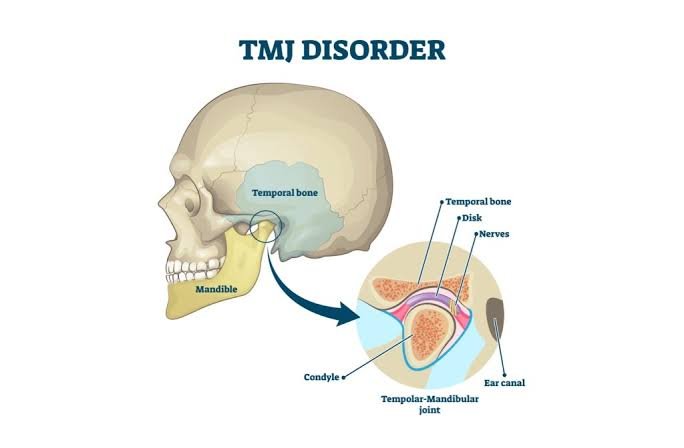
TMJDS (Myogenic)
TMJDS (Myogenic) is a specialized treatment approach for managing temporomandibular joint disorders and related muscle dysfunction. It focuses on addressing the underlying myogenic causes of jaw pain, clicking, and limited jaw movement. Through targeted exercises, manual therapy, and lifestyle modifications, TMJDS helps patients reduce pain, improve jaw function, and restore overall oral health. This comprehensive approach ensures effective treatment outcomes and enhanced quality of life for individuals suffering from myogenic jaw conditions.
Occlusense
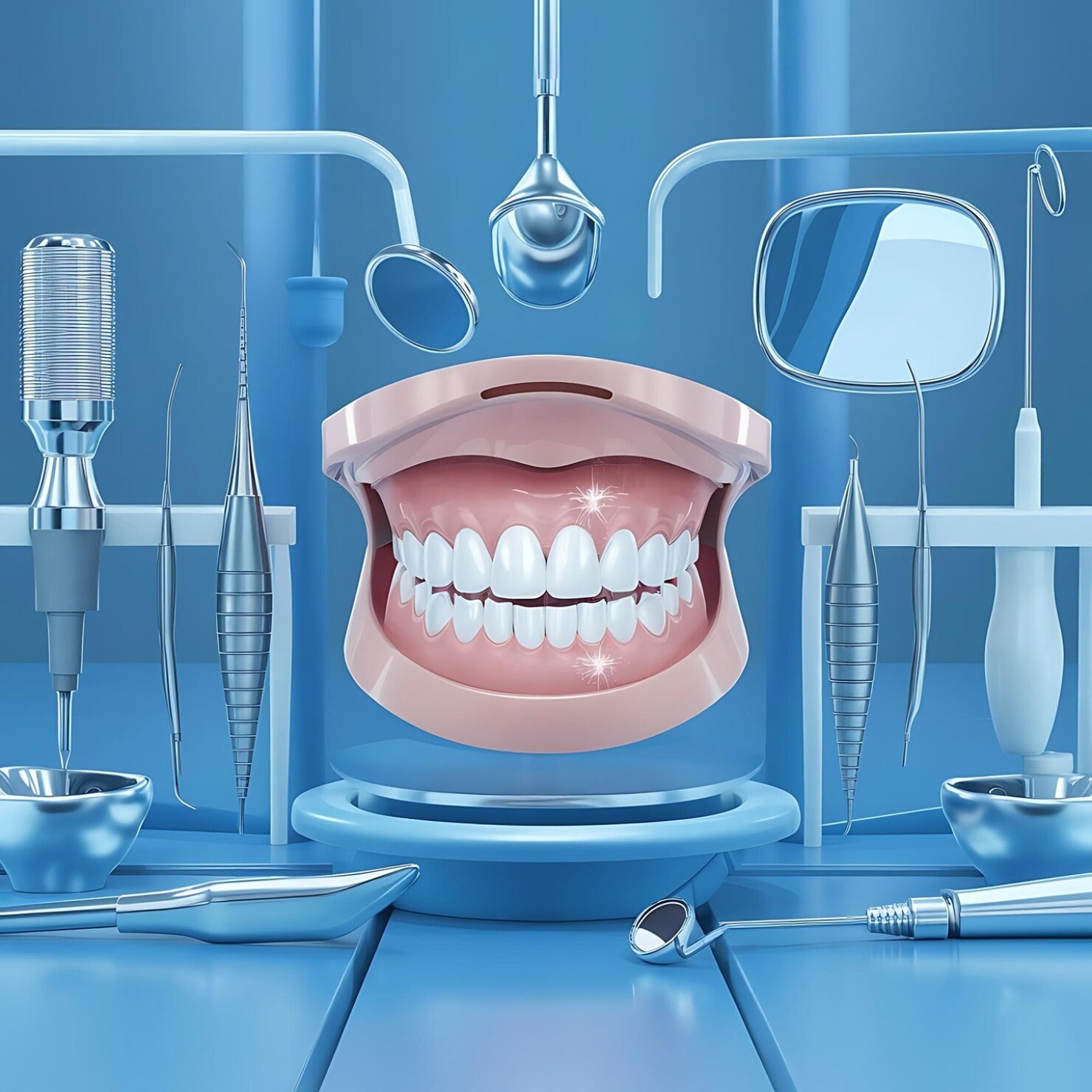
OccluSense is an advanced digital occlusal analysis system used to accurately evaluate bite force and contact patterns. It combines traditional occlusion marking with modern sensor technology to provide dynamic, real-time data about how teeth come together during chewing and jaw movement. The system uses a thin, pressure-sensitive sensor that records bite intensity and timing. This data is transmitted wirelessly to a digital device, where the dentist can visualize and analyze uneven contacts, excessive pressure points, or bite imbalances with high precision. By identifying premature contacts and uneven force distribution, OccluSense helps improve treatment accuracy, enhance comfort, and increase the longevity of restorations. This modern technology ensures precise bite correction, better treatment outcomes, and a more comfortable, balanced smile.
Splint Therapy
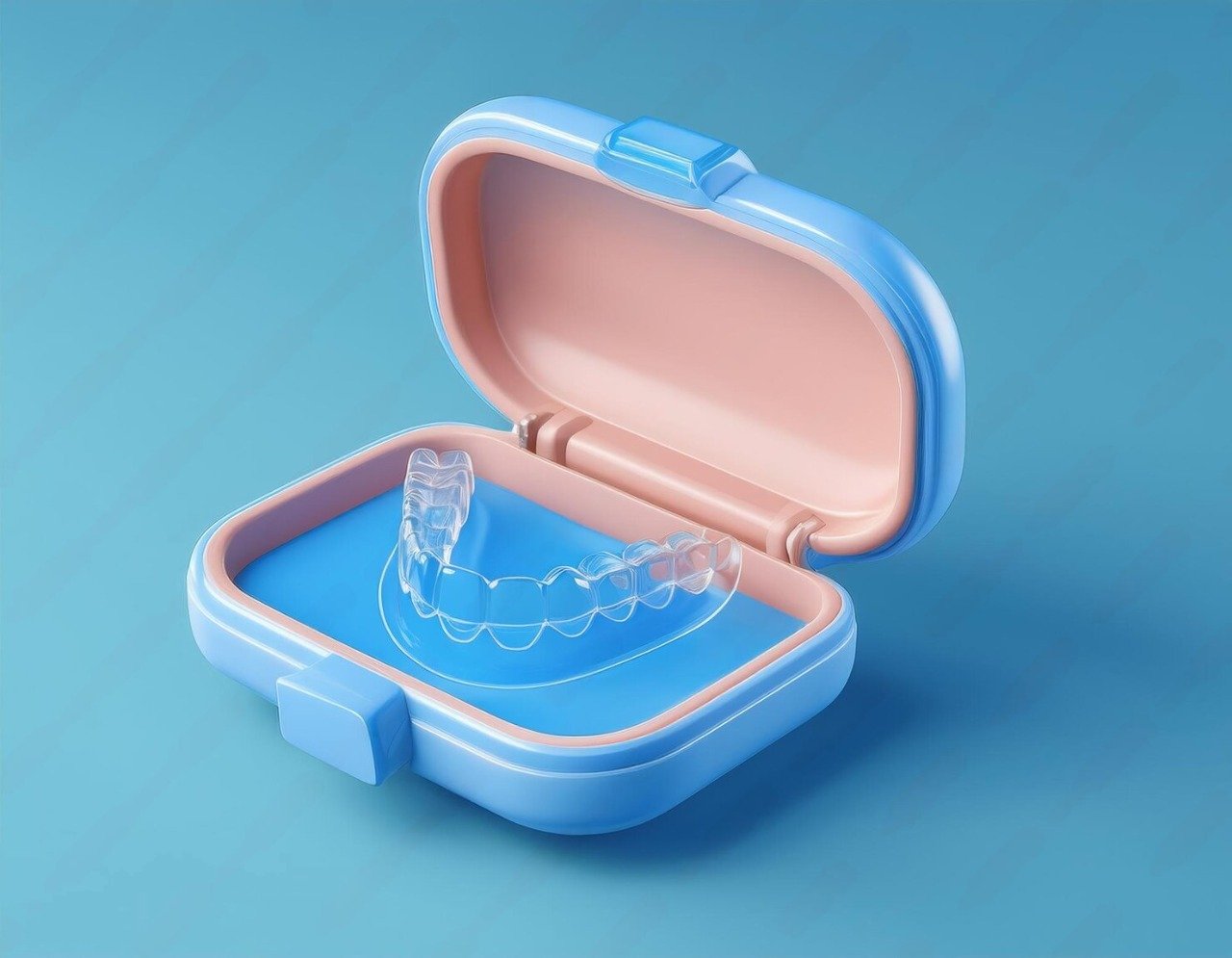
Splint Therapy is a specialized dental treatment used to manage jaw joint disorders, teeth grinding, and bite-related problems. It involves the use of a custom-made oral appliance, commonly known as a dental splint or night guard, designed to stabilize the jaw and protect the teeth. The splint is carefully fabricated to fit comfortably over the upper or lower teeth. It helps reduce excessive pressure on the jaw joints and muscles, prevents tooth wear caused by grinding or clenching, and promotes proper jaw alignment. By relieving stress on the temporomandibular joint and surrounding muscles, splint therapy improves comfort, protects dental restorations, and supports long-term oral health. With regular follow-ups and proper usage, splint therapy provides an effective, non-invasive solution for restoring jaw balance and preventing further complications.