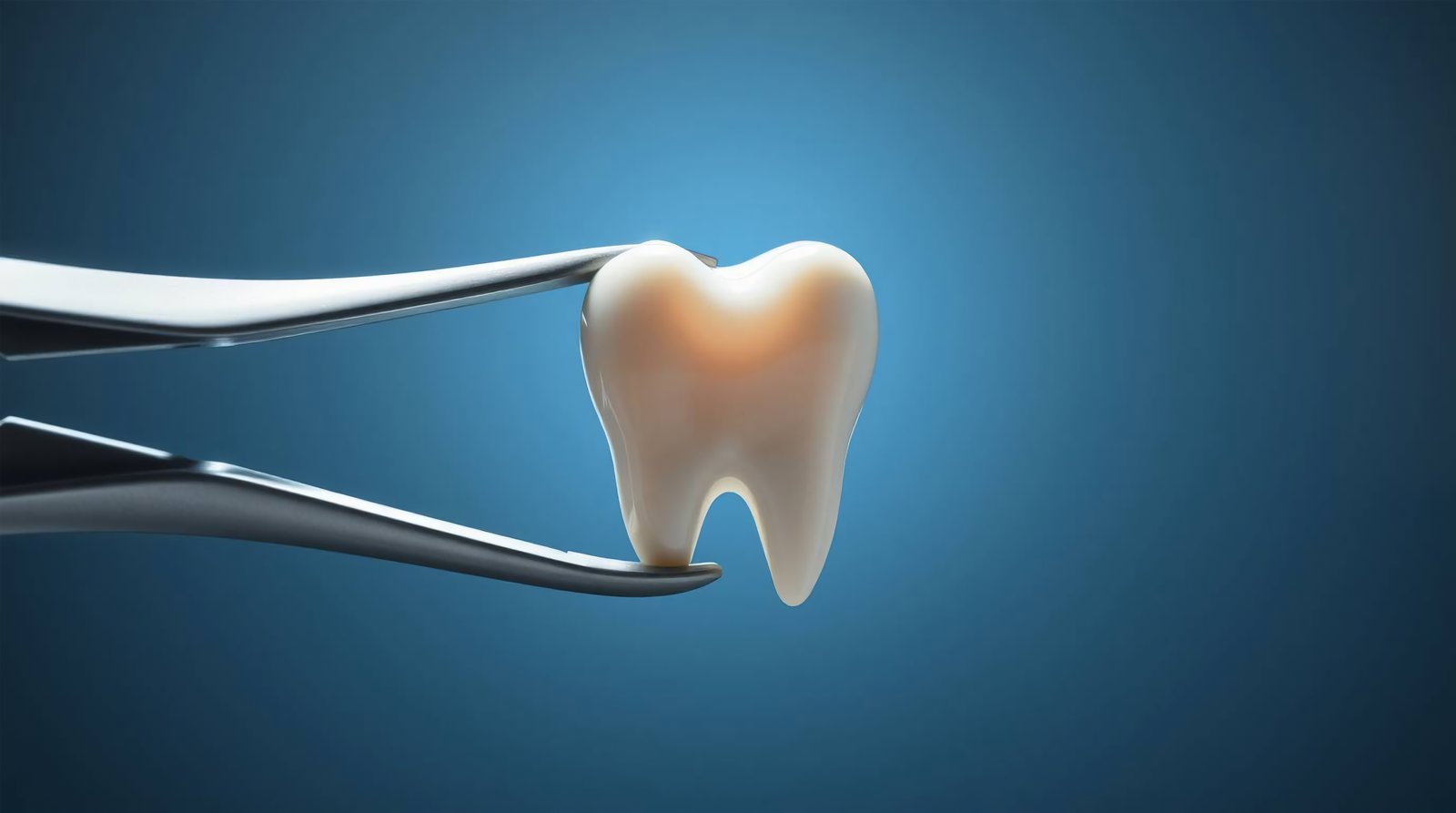
Normal Extraction
Normal Extraction is a routine dental procedure performed to remove a tooth that is damaged, decayed, infected, or causing discomfort. When a tooth cannot be restored with treatments like fillings or root canal therapy, extraction may be recommended to protect overall oral health. The procedure is carried out under local anesthesia to ensure a comfortable and pain-free experience. The dentist gently loosens the tooth using specialized instruments and carefully removes it from the socket. After removal, the area is cleaned, and proper post-extraction instructions are provided to promote quick healing. Normal extraction is commonly recommended for severely decayed teeth, loose teeth due to gum disease, fractured teeth, or for orthodontic treatment planning.
Aesthetic Extraction
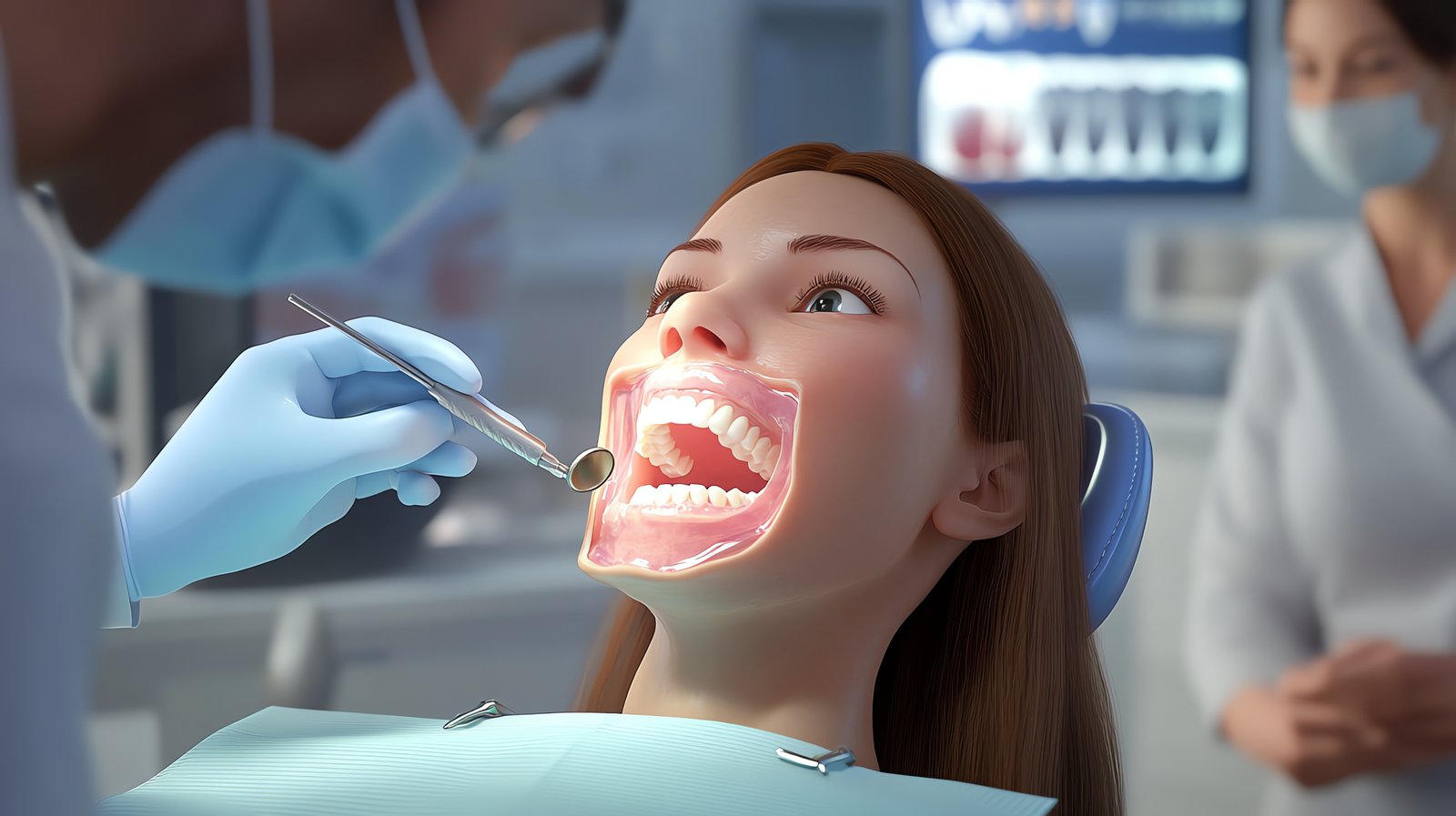
Aesthetic Extraction is a carefully planned tooth removal procedure performed with special attention to preserving the surrounding bone and gum tissue, especially in visible areas of the smile. This approach is commonly recommended when a tooth needs to be removed but future treatments like dental implants, bridges, or cosmetic restorations are planned. Unlike routine extractions, aesthetic extraction focuses on maintaining the natural contour of the gums and supporting bone to ensure the best possible cosmetic outcome. The procedure is performed gently and precisely under local anesthesia to ensure patient comfort and minimal trauma to surrounding tissues.
Third Molar Removal
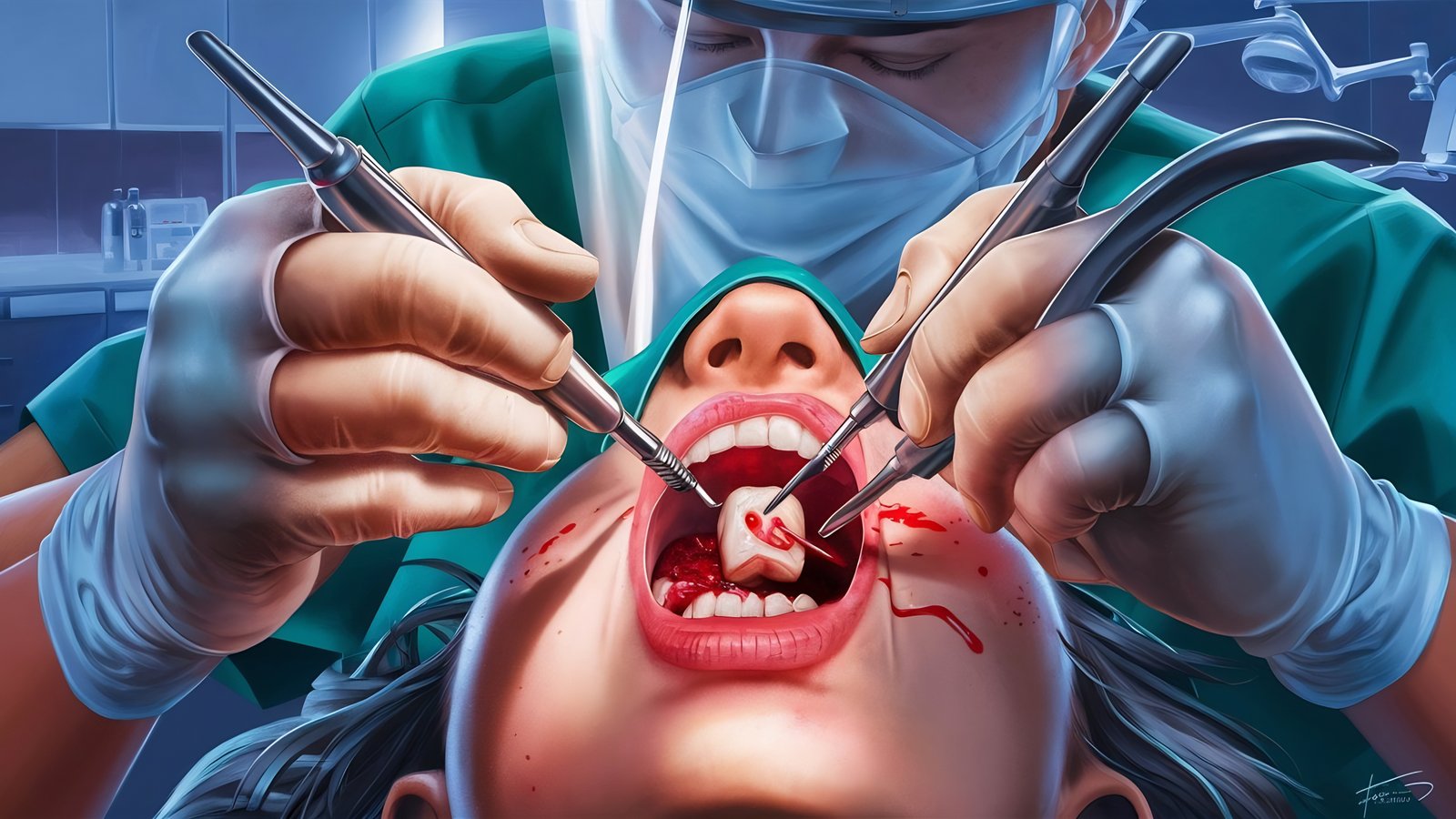
Third Molar Removal is a surgical procedure performed to extract the wisdom teeth, which are the last set of molars that usually erupt between the ages of 17 and 25. In many cases, these teeth do not have enough space to grow properly, leading to impaction, pain, swelling, infection, or damage to adjacent teeth. When a third molar is partially erupted or impacted inside the jawbone, it can cause discomfort, gum inflammation, bad breath, and difficulty in cleaning. If left untreated, it may lead to cyst formation or crowding of nearby teeth. Removal is often recommended to prevent these complications and maintain overall oral health. The procedure is carried out under local anesthesia, and in certain cases, surgical techniques are used to carefully remove the impacted tooth. Modern instruments and techniques ensure minimal discomfort and faster recovery.